


_
Jaru Girl / Milky Water Western
Kimberley Storytelling, Sisterhood and the Future of First Nations Fashion
Words by | Lauren Rogers
Photos by Sarah From Camera Story, assistant Mary-Lau Divilli

“Fashion can carry culture, memory and community all at once.”
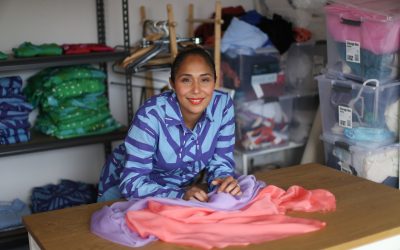
In Wyndham, a remote Kimberley town edged by red earth, winding creeks and vast northern skies, Jaru designer and artist Bianca Long is creating fashion that carries the spirit of Country, rodeo life and generations of family storytelling into contemporary Australian design.
Through her label Jaru Girl / Milky Water Western, created alongside her sister Jaydene Long, Bianca’s work embodies the spirit of Aboriginal stockmen and women, weaving family histories, cultural knowledge and contemporary fashion into garments that are gaining national attention through her participation in the Indigenous Fashion Projects Pathways Program.
For Bianca, fashion has never been separate from identity or place.
“I am a Jaru woman from Halls Creek,” she says. “My grandfather and father’s Country is from Sturt Creek, but my family home is Halls Creek. That is where I grew up on a small property owned by my parents, and it will always be my home.”
While Wyndham is now home, Bianca says her deepest connection remains with Sturt Creek, known affectionately within family as “Milky Water”, a name that would eventually become central to the label she and Jaydene now build together.
Jaru Girl first began in 2021 as a way for Bianca to share stories of Country through clothing and jewellery. But in 2024, a conversation between sisters and their father sparked the beginning of something larger.
Sitting together one afternoon, the family spoke about creating a western-inspired label that reflected the life they had grown up around, horses, station work, rodeos and the enduring legacy of Aboriginal stockmen and women across the Kimberley. They had the vision, but not the name.
“It was our dad who came up with the name,” Bianca explains. “We wanted something that honoured our grandfather, a proud stockman, and the life we were raised in.”
Milky Water Western was born from that moment.
The label sits at a unique intersection of fashion, family and cultural storytelling, drawing inspiration from the landscapes and lived experiences of the Kimberley. Bianca’s designs carry memories of childhood on Country, local rodeos, horse work with her father and the vibrant western shirts worn across station communities.
“I’m really inspired by my Country and my childhood,” Bianca says. “Growing up on our family property in Halls Creek, we were taught by our father horse work. From this, we would compete in our local gymkhana and rodeos.”


“Every design we create is grounded in family, Country and the life we were raised in.”


“Through fashion, I’m carrying stories of Country, rodeo life and the strength of Aboriginal stockmen and women from the Kimberley.”
But beyond aesthetics, Bianca’s work also challenges long-held assumptions about where innovation and influence in fashion come from.
Across Australia, a new generation of First Nations designers are reshaping the fashion landscape through deeply place-based practices that centre cultural integrity, sustainability and community. Through programs like IFP Pathways, designers are gaining access to mentorship, industry networks and national platforms such as Australian Fashion Week, while remaining grounded in the communities and cultural knowledge systems that inform their work.
For Bianca, representation matters deeply.
“I want people to feel connected to my story,” she says. “I want them to understand the important roles of Aboriginal stockmen and women, both past and present.”
Creating alongside her sister has become part of that storytelling process.
“I feel proud that we have done something together,” Bianca reflects. “Through my skills and knowledge, I can help make her dreams and ideas come to life. We learn from each other.”
That sense of collective growth extends beyond family.
In 2025, Bianca officially launched the Wyndham Collection Arts Hub, a creative space supporting both Aboriginal and non-Aboriginal artists in the region. Originally envisioned as a home for her own label, the space quickly evolved into a broader platform for local creatives and now also provides employment opportunities for Aboriginal women within the community.
“I wanted to create a space where visitors could come and see the amazing talent in Wyndham,” Bianca says.
The hub reflects a wider movement occurring across First Nations fashion and art sectors nationally, where creative practice is increasingly intertwined with economic empowerment, community development and cultural continuation.
This philosophy is also embedded within Bianca’s approach to sustainability.
At a time when the global fashion industry faces increasing scrutiny around overproduction and waste, Bianca’s process is intentionally slow, considered and grounded in cultural responsibility. Offcuts are reused, natural fibres are prioritised, locally sourced natural seeds become jewellery, and collections are released gradually rather than seasonally.
“When designing, I want to create clothing that I know will last more than just a season,” she says.
For Bianca, sustainability is not a trend or marketing concept. It is inseparable from caring for Country.
“You must look after Country,” she says simply. “Do not waste it. Our Country is very important, and we all must look after it together.”
That perspective increasingly resonates with international audiences seeking more meaningful and ethical approaches to fashion, and it is part of what makes First Nations designers such an important force in the industry’s future.


“The future of First Nations fashion is being shaped from Country outward.”


“Just because we are remote, it doesn’t mean our stories, creativity or ideas are any smaller.”
This year, Bianca’s growing impact was recognised nationally through her shortlisting for the 2026 National Indigenous Fashion Awards Fashion Designer Award, one of Australia’s leading celebrations of Indigenous excellence in fashion and textiles.
The recognition marks another milestone in the rise of remote First Nations creatives onto national and international stages.
As part of the Pathways Program, Bianca travelled to Sydney earlier this year for an immersive industry experience during Australian Fashion Week, connecting with designers, mentors and fellow creatives from across the country. The experience forms part of IFP’s long-term commitment to building sustainable, culturally grounded fashion careers for First Nations designers.
Among the many standout moments, one memory remains especially emotional.
During the Buluuy Mirrii runway show, Bianca spotted young Kimberley model Calli-Rose Woods entering the room.
“She saw me sitting in the audience, and a big smile came over her face,” Bianca recalls. “I could see her totally relax. That made me feel proud and emotional.”
For Bianca, seeing Kimberley creatives represented on national runways reinforced the importance of visibility and access for remote communities, which are often overlooked in mainstream fashion spaces.
“Just because we are remote, it doesn’t mean we can’t do what someone in the city can do,” she says.
Looking ahead, Bianca hopes to continue expanding the reach of Jaru Girl and Milky Water Western across Australia while strengthening creative partnerships, building sustainable opportunities and creating pathways for others in her community.
But success, for her, remains grounded in something far deeper than visibility alone.
“Success to me is to be able to keep doing what I’m doing,” she says, “and through that create more job opportunities for others in the Kimberley.”
Through every garment, collaboration, and story shared, Bianca Long is carrying Kimberley stories far beyond the red dirt roads they began on, ensuring that culture, memory, and Country continue to move powerfully into the future.


Photos by Sarah From Camera Story, assistant Mary-Lau Divilli
From the Tiwi Islands to the Runway
_ From the Tiwi Islands to the Runway Clair Helen Is Building Fashion on Her Own Terms Words by | Lauren Rogers - Ngarabul woman, artist, writer Photo by Phoebe Bennett It Begins with Culture Long before Clair Helen was building collections, winning national fashion...

Responsibility to Country
_ Responsibility to Country First Nations Leadership Shaping the Future of Australian FashionWords by | Lauren RogersLuluJaru, Photo by Michael Jalaru Torres Responsibility, Reciprocity and Cultural Continuity This week at Australian Fashion Week, we gathered at the...

Pathways Forward: Culture, Creativity and the Future of First Nations Fashion
Pathways Forward: Culture, Creativity and the Future of First Nations FashionWords | Lauren Rogers Banner Image | Helen and Shanita, Courtesy of Yarrenyty Arltere Gathering on Gadigal Country, a Week With AFW This week, First Nations designers from across the...

BE PART OF THE LEGACY
Reshaping the landscape of Australian fashion, supporting a thriving and inclusive Indigenous fashion sector.


